
Shed Slabs on the Sunshine Coast
Get A Quote
Thank you for contacting DPC Decorative Patterned Concrete.
We will get back to you as soon as possible.
Oops, there was an error sending your message.
Please try again later.
Concrete Driveways & Slabs, Built to Last
Strong Foundations for Your Shed
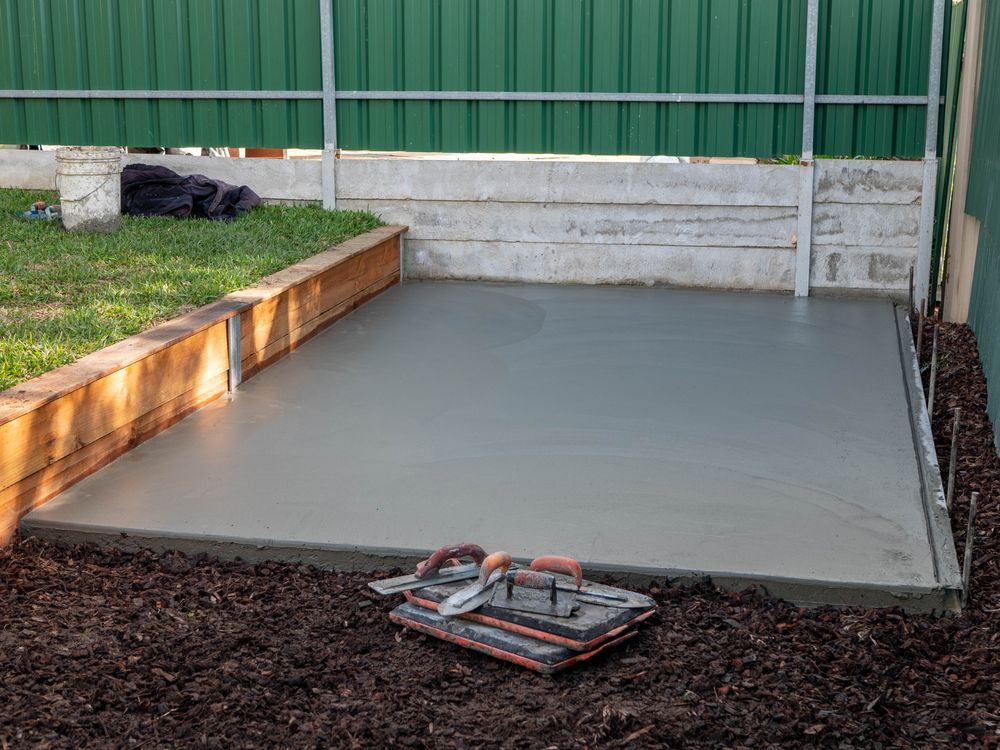
A solid foundation makes all the difference. Poor preparation is one of the most common causes of shed slab issues, resulting in uneven floors, water pooling and structural stress over time. At DPC Decorative Patterned Concrete, we pour sturdy shed slabs for homes and businesses throughout the Sunshine Coast. By focusing on correct ground preparation and reinforcement, our shed slabs can handle heavy equipment, vehicles and ongoing use while maintaining stability in coastal conditions.
Whether you’re building a garden shed, workshop or storage unit, we will tailor our concreting solutions to your unique requirements. Additionally, we offer patio slabs. Call us on 0412 793 119 to discuss your project and get a quote.
Frequently Asked Questions
How thick should a concrete shed slab be?
Most residential shed slabs are typically around 100mm thick, which is suitable for general storage and light workshop use. The required thickness can increase depending on the size of the shed, the soil conditions and the weight the slab needs to support.
Sheds used for vehicles, machinery or heavy equipment often require thicker slabs, commonly 120mm or more, along with deeper edges. Increasing thickness and edge strength helps reduce cracking and improves long-term stability, especially in high-use or load-bearing situations.
Do shed slabs need reinforcement?
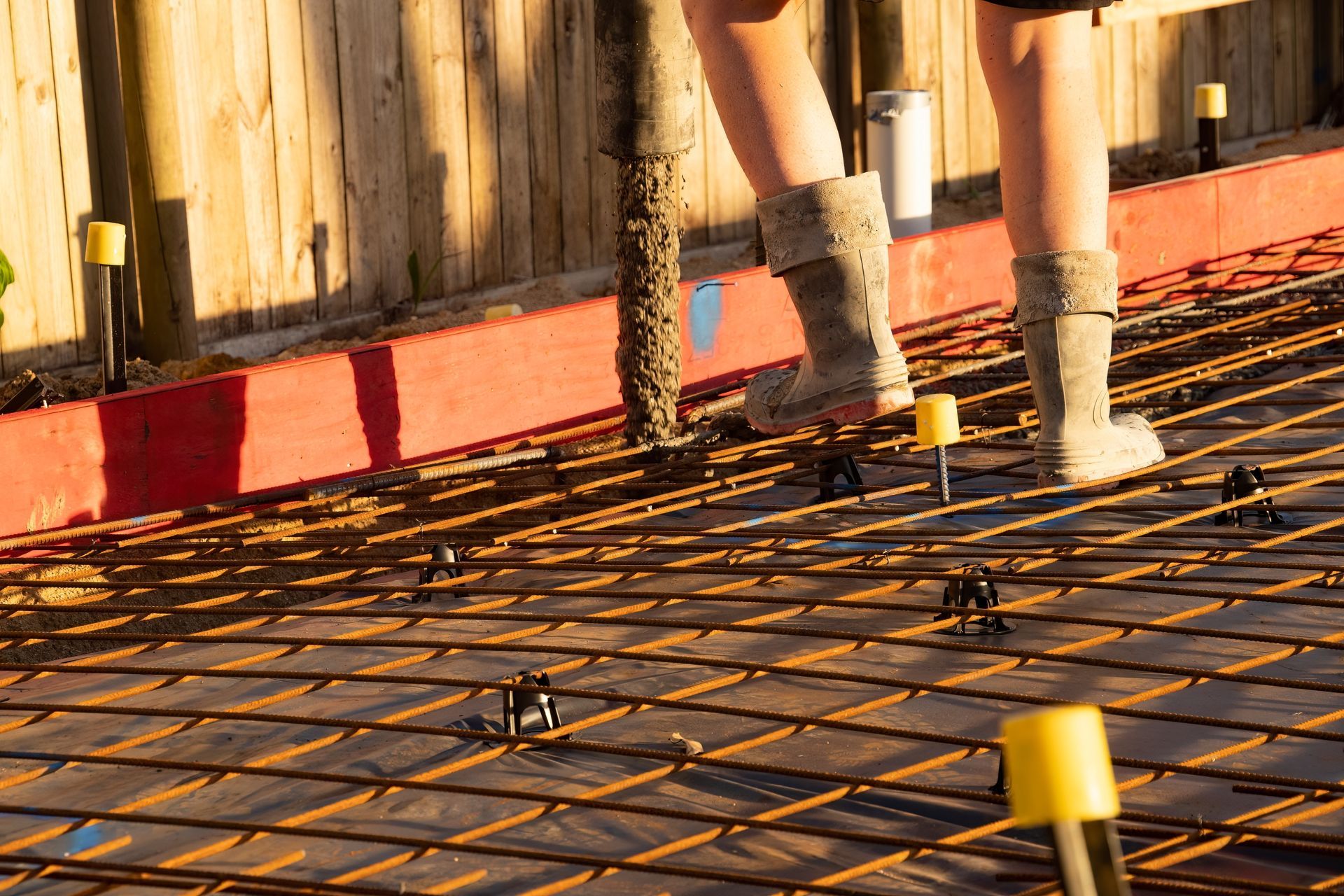
Reinforcement is strongly recommended for shed slabs to improve strength and reduce the risk of cracking over time. Steel mesh or reinforcing bars help distribute weight evenly across the slab, making it better suited to vehicle traffic and heavy equipment.
Reinforcement also helps the slab cope with ground movement and temperature changes. While some small, lightweight sheds may not strictly require reinforcement, adding it greatly improves durability and long-term performance.
How long before a shed can be built on a new slab?
Light foot traffic is usually fine after 24 to 48 hours, but it is best to wait at least 7 days before building a shed on a new slab. This allows the concrete to gain enough strength to handle construction loads. Concrete continues curing for up to 28 days, during which it reaches its full strength. Avoid placing heavy items or driving vehicles onto the slab until it has completely cured to prevent surface damage or cracking.
What Goes Into a Quality Shed Slab
We start every shed slab project with a careful site assessment to understand soil conditions, drainage and access. Our team clears and levels the area before installing a compacted base to reduce movement over time. We then set formwork to define the slab shape and add reinforcement to improve strength and load distribution.
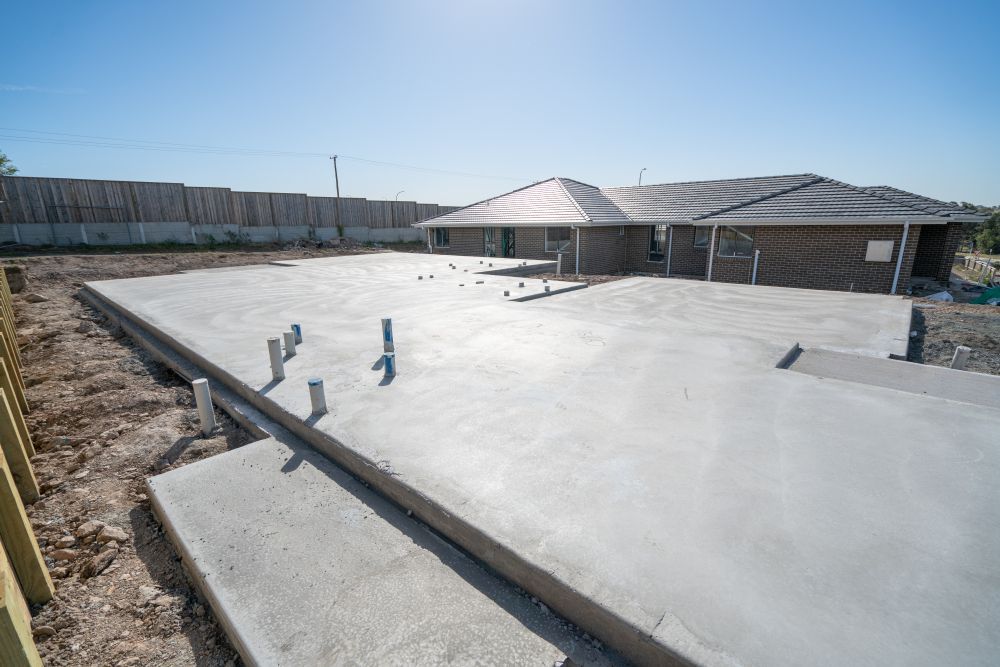
Once prepared, our concreters will pour, finish and cure the concrete to create a hard-wearing surface designed for long-term use. By paying close attention to thickness, edges and curing time, we ensure your slab remains stable and functional under heavy loads and regular vehicle traffic. Get in touch to book a service.


